Posted on 13/10/2026
Southwark Council rules for street flowers and memorials: a practical guide for residents, families, and organisers
If you have ever paused beside a roadside bouquet, a candlelit tribute, or a small cluster of memorial cards tied to a railing, you already know how personal these moments can feel. The Southwark Council rules for street flowers and memorials are there to balance that human need to remember with the practical realities of keeping streets safe, walkable, and respectful for everyone. It sounds simple enough, but in real life it can be a little messy. Flowers wilt. Rain soaks paper. Kerbs get crowded. And on a busy London street, even a heartfelt tribute can become a hazard if it is placed badly.
This guide explains how the rules are understood in practice, what people usually need to think about before placing flowers or a memorial in a public space, and how to avoid the awkward moments that can arise when sentiment meets local regulation. Whether you are arranging a one-off tribute, looking after an existing memorial, or trying to decide what is appropriate after a loss, you will find a clear path here.
Practical note: the exact handling of street flowers and memorials can depend on location, safety concerns, nearby traffic, and the council's local position at the time. So, while this article gives you the useful principles, it is always wise to check the latest advice before you act.
Why Southwark Council rules for street flowers and memorials Matters
A memorial placed in the street is not just a flower arrangement. It is a public expression of grief, remembrance, and sometimes community solidarity. That is why the rules matter. They help prevent an emotional tribute from turning into an obstruction, a litter issue, or a safety problem. On a quiet side street, the risk may be small. On a bus route, near a crossing, or by a narrow pavement, the stakes are higher.
In Southwark, as in most London boroughs, the council has to consider more than sentiment. Access for wheelchair users. Visibility for drivers. Pavement width. Weather. Maintenance crews. Emergency access. It all matters. You might be laying flowers with the best intentions in the world, but if they spill into the road or block a handrail, they can create a genuine problem. Let's face it, nobody wants their tribute moved or removed because it was placed in the wrong spot.
There is also the emotional side. Families often want something lasting, but street memorials are usually temporary by nature. That can be hard. It can feel cold, even though the underlying reason is usually practical rather than unkind. Understanding the rules in advance helps you avoid distress later and gives you a better chance of keeping the tribute in place for as long as possible.
Key takeaway: the best street memorials are respectful, low-risk, and easy for the public space to manage. If a tribute can be seen without causing an obstruction, it is usually in a much stronger position.
How Southwark Council rules for street flowers and memorials Works
The way these rules work in practice is usually straightforward, even if the wording behind them can be a bit formal. You place flowers or memorial items in a public place, and the council assesses whether they are acceptable based on safety, location, duration, and local conditions. In some cases, no issue arises at all. In others, the council may remove items if they interfere with public use of the space.
Street flowers tend to be treated differently from permanent or semi-permanent memorials. A small bouquet or a card tied neatly to an appropriate fixture may be tolerated for a short period. Larger arrangements, candles, photographs, balloons, loose items, or structures are more likely to raise concerns. If the tribute begins to spread, clutter up a pavement, or attract damage and debris, intervention becomes more likely.
The council may also consider the nature of the location. A memorial placed against a wall on a generous pavement is not the same as one placed on the edge of a crossing island or beside a narrow kerb. Good judgement matters. In our experience, people often underestimate how much space a modest bouquet actually takes once it is weighed down, boxed, or surrounded by notes and ribbons.
Another thing people miss: timing. A fresh memorial may be left alone for a while, but the longer it remains, the more likely it is to be reviewed. Weather can transform a neat tribute into something untidy very quickly. One windy afternoon and the whole thing looks different. Bit of a reality check, really.
Here is the basic pattern most readers need to keep in mind:
- Place only what is appropriate for a public street or pavement.
- Avoid blocking access, sightlines, or street furniture.
- Keep items tidy, secure, and manageable.
- Expect removal if the memorial becomes unsafe or untended.
- Be prepared for the council to take a practical rather than emotional view.
If you are arranging flowers for a funeral, remembrance, or private family tribute, it can help to think about the wider setting too. For example, a softer arrangement from sympathy flowers or a more formal wreath may be more suitable for some settings than loose, unpackaged blooms. That is not about rules alone; it is about how the tribute sits in the environment.
Key Benefits and Practical Advantages
Following the local approach to flowers and memorials gives you more than compliance. It gives you peace of mind. You know your tribute is less likely to be challenged, tidied away, or misunderstood. And that matters at a time when your head is probably already full.
Here are the main advantages:
- Better respect for the space: a well-placed tribute feels considerate, not cluttered.
- Lower chance of removal: if the arrangement is tidy and low-risk, it is less likely to be taken away.
- Less distress for families: clarity up front helps avoid disappointment later.
- Safer for the public: pedestrians, cyclists, and wheelchair users are less likely to be inconvenienced.
- Cleaner presentation: a contained tribute usually looks more dignified for longer.
There is also a subtle but important benefit: a carefully designed tribute tends to age better. A few sturdy stems, a secure card, and a sensible location can still look thoughtful after a day or two. A sprawling setup often becomes shabby fast. Truth be told, public spaces are unforgiving that way.
If you are thinking about formal sympathy arrangements, a contained piece like sprays or a tribute-focused option from tributes may offer a neater, more manageable presentation than a loose bunch. That does not make one "better" in every situation, but it can make a real difference when the tribute is meant for a street setting.
Who This Is For and When It Makes Sense
This guidance is for anyone dealing with a memorial or floral tribute in a public space in Southwark. That includes families, friends, neighbours, community groups, landlords, venue managers, funeral organisers, and people responding to a sudden death or public incident. It also applies when someone wants to leave flowers where an event, accident, or loss has occurred.
Sometimes the need is obvious. A family wants to mark a tragic anniversary. A friend group wants to leave flowers after a local loss. A community wants to show support. Other times, the question is less clear: should the tribute go on the street, on private land, at a cemetery, at a church, or somewhere else? That decision matters because the rules can change depending on where you place it.
Street memorials make most sense when:
- the tribute is temporary and modest;
- you want visibility from the public realm;
- the location is meaningful and safe;
- you can keep the display tidy;
- you are comfortable with the possibility of council intervention over time.
If you want something more structured, perhaps for a funeral, remembrance service, or family gathering, a more formal piece such as funeral flowers or a wreath-like tribute can be easier to manage. A lot depends on the mood you want to create. Some families want quiet simplicity. Others want something more visible. Both are valid.
One small but useful distinction: street flowers are usually about public remembrance, while a dedicated memorial arrangement is often about lasting symbolism. The first is more exposed to weather, cleaning schedules, and passers-by. The second is usually planned with more control. That difference is easy to overlook until the rain starts tapping on the petals at 6am and, well, everything looks a bit more fragile than it did yesterday.
Step-by-Step Guidance
If you want to approach this sensibly, the safest route is to think first and place second. A short pause now can save a lot of trouble later.
1. Decide what kind of tribute you are placing
Ask yourself whether the tribute is a small bouquet, a sympathy arrangement, a wreath, a note with flowers, or something more substantial. The more items you add, the greater the risk of obstruction. Keep it simple if the location is public.
2. Check the exact location
Look carefully at where the flowers would sit. Is it a wide pavement or a narrow one? Is there a crossing nearby? Is there a railings area, tree pit, lamp post, or street sign involved? Does the spot already attract foot traffic or cleaning activity? These details matter more than most people expect.
3. Choose materials that can cope outdoors
Public memorials do not stay in an indoor vase. They need to survive wind, drizzle, curious hands, and the occasional bus spray. Use sturdy wrapping, secure cards, and weather-resistant elements where possible. If something is light enough to blow away, it probably will.
4. Keep the display compact and respectful
A contained arrangement is easier to leave in place and easier for others to pass by. If in doubt, think "calm and tidy" rather than "large and expressive". There is a time for abundance, of course, but a pavement is not always the right stage.
5. Avoid hazards
Never place candles, glass, sharp wires, loose balloons, or items that could roll into the road. If you are using cards, ribbons, or notes, secure them properly. Water-filled containers can also create slipping risks if they leak.
6. Expect ongoing review
A memorial that is acceptable today may not be acceptable next week. If you want it to stay, someone should check it regularly and remove damaged or wilted items. That practical maintenance is often what keeps a tribute dignified.
7. Be ready to move it if asked
If the council, landowner, or site manager asks for the memorial to be relocated or removed, respond calmly. Frustrating? Yes. But arguing rarely improves the outcome. Sometimes the best way to honour the person is to find a safer, more lasting setting.
Simple summary: choose a safe spot, keep the tribute small, use durable materials, and stay prepared to maintain or move it.
Expert Tips for Better Results
A few small choices can make a huge difference here. These are the little things experienced florists and organisers tend to think about without fussing over them too much.
Use stable shapes. Low, balanced arrangements are usually better for street settings than tall, top-heavy ones. They are less likely to blow over and generally look calmer against the urban backdrop.
Choose colours with care. White, soft pink, cream, and muted mixed tones often suit remembrance settings well. That said, there is no rule that says tributes must look one way only. Personal meaning matters too. If the person loved bold colour, that can be beautifully appropriate.
Think about the reading distance. Cards, names, and messages should be easy to read from a slight distance. On a busy pavement, people rarely stop for long. A neat message often speaks more clearly than a long handwritten note that curls in the damp.
Keep the tribute editable. If friends and neighbours may add items, leave space for that in advance. A memorial that is too tightly packed becomes messy quickly. A small amount of breathing room helps.
Plan for maintenance. Someone has to remove wilted flowers, replace damp cards, and keep things sensible. If nobody is doing that, the display can start to look abandoned, and that is when complaints tend to follow.
There is a quiet dignity in restraint. Not every tribute has to be grand. Sometimes a single well-chosen arrangement says more than a crowded display ever could.
If you are ordering flowers for a remembrance or condolence setting, browsing pieces such as loving memory wreath or eternal light wreath can help you find an arrangement that feels appropriate without trying too hard. That sounds like a small thing, but it often makes the decision easier.
Common Mistakes to Avoid
Most problems with street flowers and memorials come from good intentions combined with poor placement. Honestly, that is usually how these things go.
- Blocking the footway: even a small arrangement can become an obstacle if placed in the wrong spot.
- Using unsafe items: candles, glass, and loose metal fittings are common offenders.
- Letting flowers decay: once a tribute is drooping and soggy, it becomes visually and practically problematic.
- Overcrowding the memorial: too many items can make a heartfelt tribute look unmanaged.
- Ignoring the site context: a peaceful-looking corner in the afternoon might be a crowded commuter route by morning.
- Assuming permission is automatic: public space is not private space, and that distinction matters.
One common mistake is treating a street memorial like a garden border. It is not. A public pavement has different expectations, different users, and different limits. Another is assuming that because something was left alone once, it will always be left alone. Not so.
If you want a tribute that has more staying power, choose something neat, weather-aware, and intentionally understated. You do not need to be dramatic to be sincere. Luckily, flowers can carry a lot of feeling without shouting about it.
Tools, Resources and Recommendations
You do not need specialist equipment to make a thoughtful tribute, but a few simple tools help a lot.
- Water-resistant wrapping: helps petals and stems last longer outdoors.
- Secure cards or tags: prevents messages from blowing away.
- Small weights or ties: useful where appropriate to keep items in place.
- Scissors or floral snips: for neat trimming before placement.
- A soft cloth or bag: handy for clearing away spent material when maintenance is needed.
For families or organisers who prefer a composed floral style, a carefully chosen arrangement from florist choice can be a practical option because it leaves some of the design decisions to the florist while still giving a respectful result. If the tribute is for a wake, funeral, or remembrance gathering, you may also find that an item from sympathy florist choice is easier to manage than building something from scratch.
You may also want to think about related practical pages if you are placing flowers through a local provider. The broader details around delivery and flower care can make a surprising difference when a tribute needs to arrive fresh and hold up outdoors for a few hours or a day.
Useful habit: before placing any memorial flowers, take one last look from a pedestrian's eye level. If it feels cluttered, it probably is.
Law, Compliance, Standards, or Best Practice
This is the part people often hope they can skip. Fair enough. But public memorials sit at the intersection of respect, public access, and local oversight, so compliance and best practice are not optional extras.
The key principle is simple: anything placed in a public street or on a pavement must not create a hazard or unreasonably interfere with public use. That means the council may remove objects that obstruct movement, reduce visibility, or cause maintenance difficulties. Items left in the highway are also more exposed to routine cleaning and enforcement activity.
Best practice usually means:
- keeping the tribute temporary unless a specific arrangement has been agreed;
- avoiding objects that could be dangerous or easily displaced;
- preventing litter, leaks, or trip risks;
- respecting access requirements for all users;
- treating the memorial as something to be monitored, not just placed and forgotten.
If you are unsure whether a memorial belongs in the street at all, the safest assumption is that a public location should be used sparingly and with care. Private property, cemeteries, religious spaces, and formal memorial sites often provide more stability for longer-term remembrance. That may sound obvious, but in the heat of the moment it is easy to forget.
There is also a wider etiquette point. A memorial should feel respectful to passers-by, neighbours, and the person being remembered. It should not dominate a pavement, spill into the road, or block access to street furniture. A thoughtful tribute is not only about flowers; it is about context.
Options, Methods, or Comparison Table
If you are deciding how to honour someone in Southwark, the best choice depends on where the tribute will sit, how long it needs to last, and how visible it should be. Here is a simple comparison to help.
| Option | Best for | Strengths | Limitations |
|---|---|---|---|
| Loose street flowers | Very short-term remembrance | Simple, immediate, personal | Can look untidy quickly; weather-sensitive |
| Wreath or compact tribute | Formal remembrance, funerals, public tribute spots | More stable and presentable | Still needs a suitable place and care |
| Card-only or note-based tribute | Minimal, discreet gesture | Low clutter, easy to place | Less visible, easily damaged by weather |
| Private memorial arrangement | Longer-term remembrance | More control, less public risk | May not feel as publicly visible |
| Formal funeral flowers | Services, wakes, and ceremonies | Structured, dignified, easy to coordinate | Not always suited to roadside placement |
If you are leaning toward something that needs to stay neat in a public setting, a thoughtful tribute from flowers in a vase may be more practical than an open arrangement, especially where wind or footfall is a concern. And if you need something concise and highly manageable, a small design from baskets and posies can be a sensible middle ground.
Case Study or Real-World Example
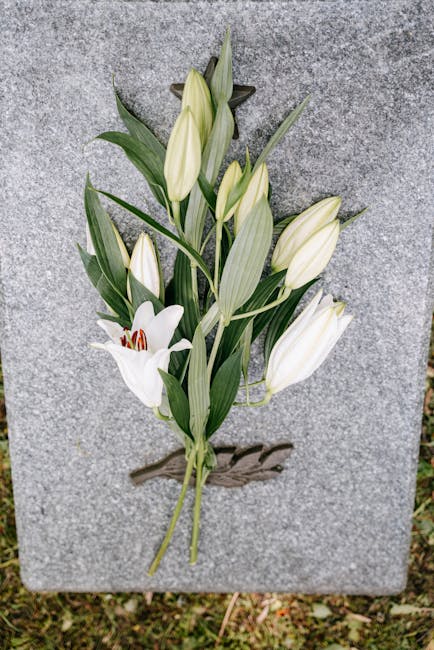
Here is a very typical scenario. A family in Southwark wants to leave flowers where a loved one used to walk every day. They choose a spot near a local street corner, not realising it is close to a busy crossing and a narrow section of pavement. At first the tribute looks beautiful: a few lilies, a ribbon, a handwritten card, and some soft white blooms. By the next afternoon, however, the arrangement has started to spread. Wet petals gather at the base, the card is curling, and pedestrians are stepping around it.
A neighbour kindly suggests moving it a few metres back to a wider section beside a wall. The family is disappointed, naturally, but the new position makes the tribute more stable, safer, and easier to maintain. They also remove items that are damaged and replace them with a smaller, more durable arrangement. The result is actually better. Less grand, maybe. More enduring? Definitely.
This sort of adjustment happens all the time. The important thing is not to see it as a failure. It is often simply the difference between a tribute that survives the week and one that disappears after the first rain. A little flexibility goes a long way.
If you were planning something similar, you might use a restrained sympathy piece such as in loving memory wreath or a compact remembrance choice like remembrance. Those options tend to sit more neatly in public-facing spaces, which can spare you a lot of stress.
Practical Checklist
Use this before placing flowers or memorial items in a street location in Southwark.
- Is the location safe for pedestrians, cyclists, and wheelchair users?
- Will the tribute block access, sightlines, or street furniture?
- Is the arrangement compact enough for a public pavement?
- Are all items stable, weather-aware, and free from sharp edges?
- Have you avoided candles, glass, and other hazard-prone objects?
- Can someone return to maintain or remove damaged items?
- Would a more formal or private location be better long term?
- Have you considered how the tribute will look after rain or wind?
- Is the message appropriate, clear, and respectful?
- Are you prepared for the council or landowner to ask for changes?
Final check: if you would not want to walk around it yourself, it probably needs rethinking.
Conclusion
Southwark Council rules for street flowers and memorials are really about balance. They recognise grief and remembrance, but they also protect shared public space. That is the heart of it. If you keep the tribute thoughtful, compact, safe, and easy to manage, you give it the best chance of remaining in place with dignity.
For many people, the hardest part is accepting that a street memorial is temporary. But temporary does not mean insignificant. A small bouquet at the right spot can still mean a great deal, especially when it is placed with care and maintained properly. Sometimes that quiet, simple gesture says more than anything elaborate could.
If you are deciding between a roadside tribute and a more formal floral arrangement, take the practical route first and the emotional route second. You can still honour someone beautifully without making the public space carry more than it should.
Get a free quote today and see how much you can save.
And if there is one final thought to leave you with, it is this: the most respectful memorials are often the ones that feel calm, considered, and quietly human.
Frequently Asked Questions
Can I leave flowers on a street in Southwark without asking first?
Sometimes a small, temporary tribute may be tolerated, but public space is not the same as private space. If the flowers could block access, create a hazard, or stay in place for a long time, you should assume permission may be needed or that removal is possible.
Are candles allowed with street memorials?
Usually candles are best avoided in public street settings because of fire risk, wind, and safety concerns. Even one candle can become a problem if it tips, spills wax, or attracts attention in the wrong way.
How long can street flowers usually stay in place?
That depends on the location and condition of the tribute. Short-term placement is generally less risky than a display left unattended for many days. Once flowers begin to wilt, the likelihood of removal rises. A good rule of thumb is to keep checking them yourself.
What happens if the council removes the memorial?
If items are removed, they are usually taken because they are causing an issue with safety, access, or maintenance. It can feel upsetting, but it is often a practical decision rather than a judgement about the tribute itself.
Can I use a wreath instead of loose flowers?
Yes, and in many cases a wreath is neater and more stable than loose blooms. For a public memorial, a compact wreath can be easier to manage and may present better in poor weather.
Is it better to place flowers on private land instead of the street?
If the tribute needs to stay for longer or you want more control, private land is often the safer option. It reduces the risk of obstruction, weather damage, or removal by public maintenance crews.
What kind of flowers are best for a street memorial?
Sturdy flowers that cope reasonably well outdoors are usually the best choice. Neat, compact arrangements tend to hold up better than airy or fragile designs. A florist can help you choose based on the occasion and location.
Do I need to worry about accessibility?
Yes. This is one of the biggest issues. Flowers must not block pavements, kerbs, dropped crossings, ramps, or anything that people with mobility, vision, or pushchair access needs rely on.
Can I add photos, ribbons, or messages?
You can, but keep them secure and simple. Loose paper, heavy frames, or items that can blow away are more likely to cause problems. The more cluttered the memorial becomes, the more difficult it is to maintain.
What is the safest way to make a memorial look respectful?
Keep it low, tidy, and easy to pass. A balanced arrangement with a clear message usually looks more thoughtful than a large display with too many extras. Sometimes less really is more.
Should I contact Southwark Council before placing flowers?
If the tribute is likely to be large, long-term, or placed in a busy or sensitive location, contacting the council is sensible. For a very small, temporary gesture, people sometimes proceed carefully without doing so, but judgement matters here.
Can funeral flowers be used as a street memorial?
They can be, if the arrangement is suitable for a public setting. A formal funeral tribute may be beautiful, but not every design is ideal for a pavement. Choose something sturdy and contained if the memorial is going outside.